> writes ... Digital Dips, 3 yrs
> topic .... AI × business transformation
> readers .. 300+ leaders
> now ...... AI speaker & founder
> based .... Roermond, NL
I translate the AI frontier into the choices leaders actually face. For three years I have written Digital Dips, a (bi-)weekly newsletter on AI and business transformation read by 300+ professionals. I bring that same clarity to the stage. Keynotes and workshops, in English and Dutch.
Every talk is built around your audience and your goals. These are the angles I go deep on, not a fixed menu. They come straight out of the newsletter: what I track every week, turned into what your organization can do next.
What cheap intelligence does to human value, and the shift in mindset leaders need first.
What is actually real in AI right now, and what is still noise, so your room shares one honest picture.
The agentic shift, and what it changes for how the work actually gets done.
Why this is a people problem before a technology one, and how to make AI land with your team.
Staying model-agnostic and building a capability that is yours, instead of renting your advantage from one vendor.
The same shift across very different rooms, from companies to federations to the students coming next.
A tailored talk for your event, from a leadership offsite to a conference mainstage.
A working session with your team to find where AI adds value and redesign how the work gets done, so AI becomes a multiplier of your workforce.
We start with what is actually moving in AI right now, without the hype, so the room shares one honest picture of the frontier.
Then we turn it inward: what those shifts change for your people, your work, and the way the organization is designed.
We close on the moves that build an advantage others cannot copy, so the audience leaves with a shorter list of decisions.
The Digital Dips podcast: what is actually happening in AI, and what it means for business. If you want to hear how he thinks before you book, start here.
Wesley Romeijnders is an AI keynote speaker and founder. For three years he has written Digital Dips, a (bi-)weekly newsletter on AI and what it means for business, followed by more than 300 professionals. Week after week he reads the frontier, filters the noise, and turns it into what organizations should actually do. That is the same thing he does on stage.
He has started several businesses of his own and now builds AI products full time. He has given keynotes and run workshops for organizations from Fontys, Hogeschool Amsterdam and Hogeschool Rotterdam to the KNVB, NOC*NSF, TriFinance and BMI, including a two-day session with C-level executives at the Sport AI Foundation.
A background in business economics keeps his focus where it belongs: not on the technology, but on what it changes for the business. On stage he is direct, current, and practical. Audiences leave with a sharper view of the landscape and a shorter list of decisions.
My own framework for making AI actually work in an organization. Three sides decide the outcome, and three layers connect them. It is the backbone of most of my talks and every workshop. Hover the diagram to explore it.
Everything that determines whether AI gets used.
Everything that determines whether AI delivers value.
Everything that determines whether AI scales.
Each side is something you can develop or bring in on its own.
Where People, Processes and Platforms connect. This is where the transformation actually happens.
A few more of the frameworks I use on stage to make AI concrete for a room, and to give leaders a way to hold the decisions.
Why a general-purpose technology only pays off when you redesign the organization around it, instead of bolting it onto the old way of working.
A durable advantage is your people's judgment and knowledge multiplied by the AI capacity you own, not the tools you rent.
The place where deep domain expertise meets real AI skill, and where the outsized value actually gets created.
The frontier I read every week, brought into the room so your team is calibrated to what is real today, not last year.
For three years the through line was simple: AI kept getting better and cheaper. That still holds at the floor, where capable models cost cents per million tokens, though the frontier itself can now get pricier again. The deeper change is different in kind. The length of work these systems finish reliably is doubling every few months, and that pace is still speeding up. We are living in the exponential, while most organizations still plan as if the curve were a straight line. AI has stopped being something you prompt and become something that works, and lately, something that improves itself, helping train and design its own successors.
The craft moved with it, from writing prompts, to giving models context, to setting self-running loops that carry a task to done. Agents now handle multi-step work unattended, and they are starting to replace the software your teams log into and the coordination layer that holds an organization together. As one person learns to direct a swarm of them, the scarce skill stops being execution and becomes judgment: knowing what to ask for, and seeing when something is off.
Two gaps decide who wins. The first is between what these models can already do and what most companies actually ask of them, still optimizing old tasks instead of asking which tasks should exist at all. The second is between the firms that consume AI and the firms that control it, between those who rent intelligence and those who own strategic access to it. A growing share of the world's AI capability now sits inside a handful of companies and jurisdictions, and a model can appear and vanish overnight, so the real question becomes how dependent you are willing to be on capability you do not own.
That is why I keep coming back to AI sovereignty on stage. Open models keep improving, compute keeps getting cheaper, and the ability to run powerful models on your own hardware has gone from a distant idea to a real strategic option. The organizations building their own AI capability, literacy, and sovereignty now are not chasing efficiency, they are buying resilience. The gap between them and the firms that only consume AI is widening fast, and it is the kind of gap laggards may never close.
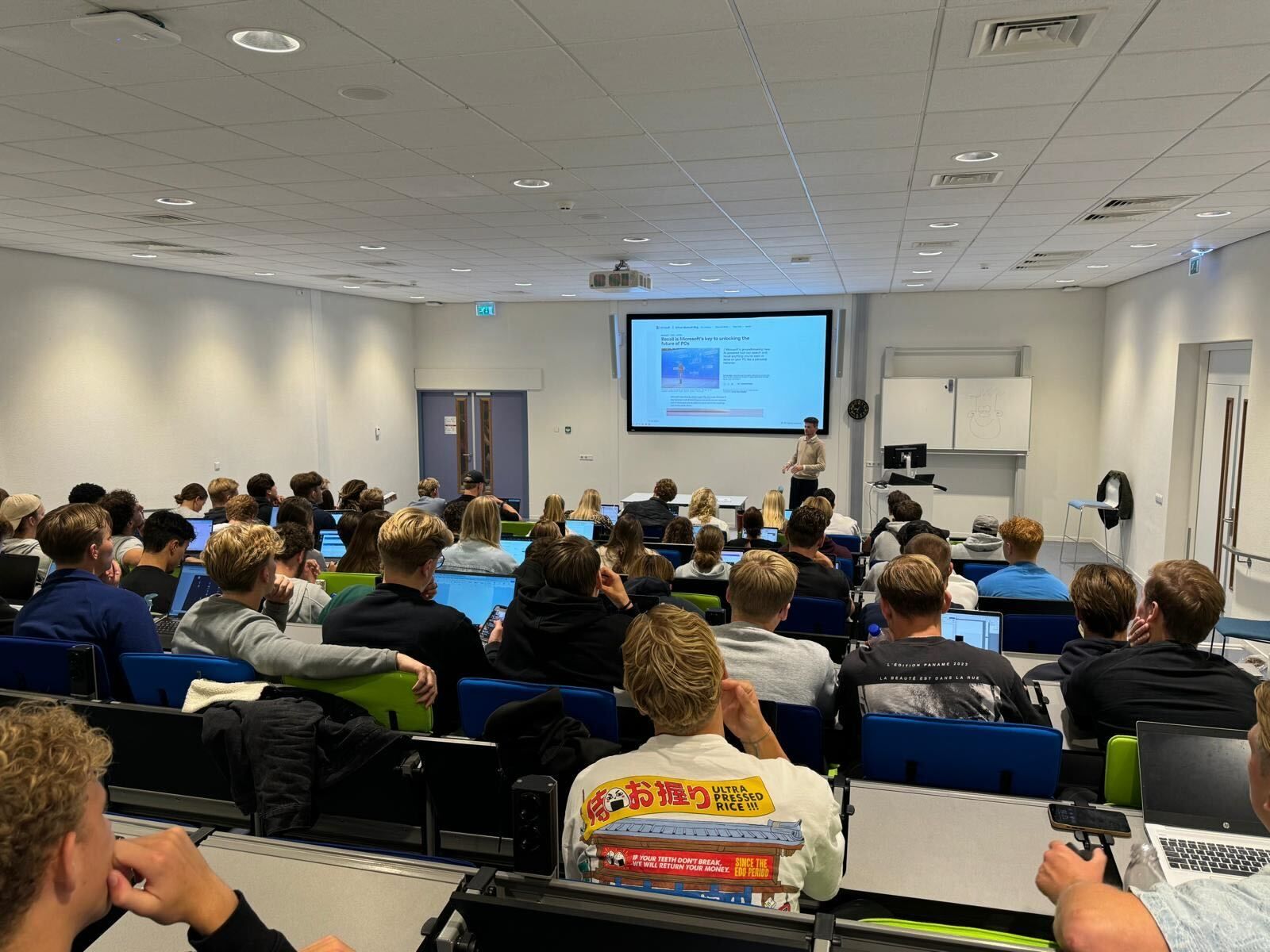 hogeschool amsterdam · guest lecture
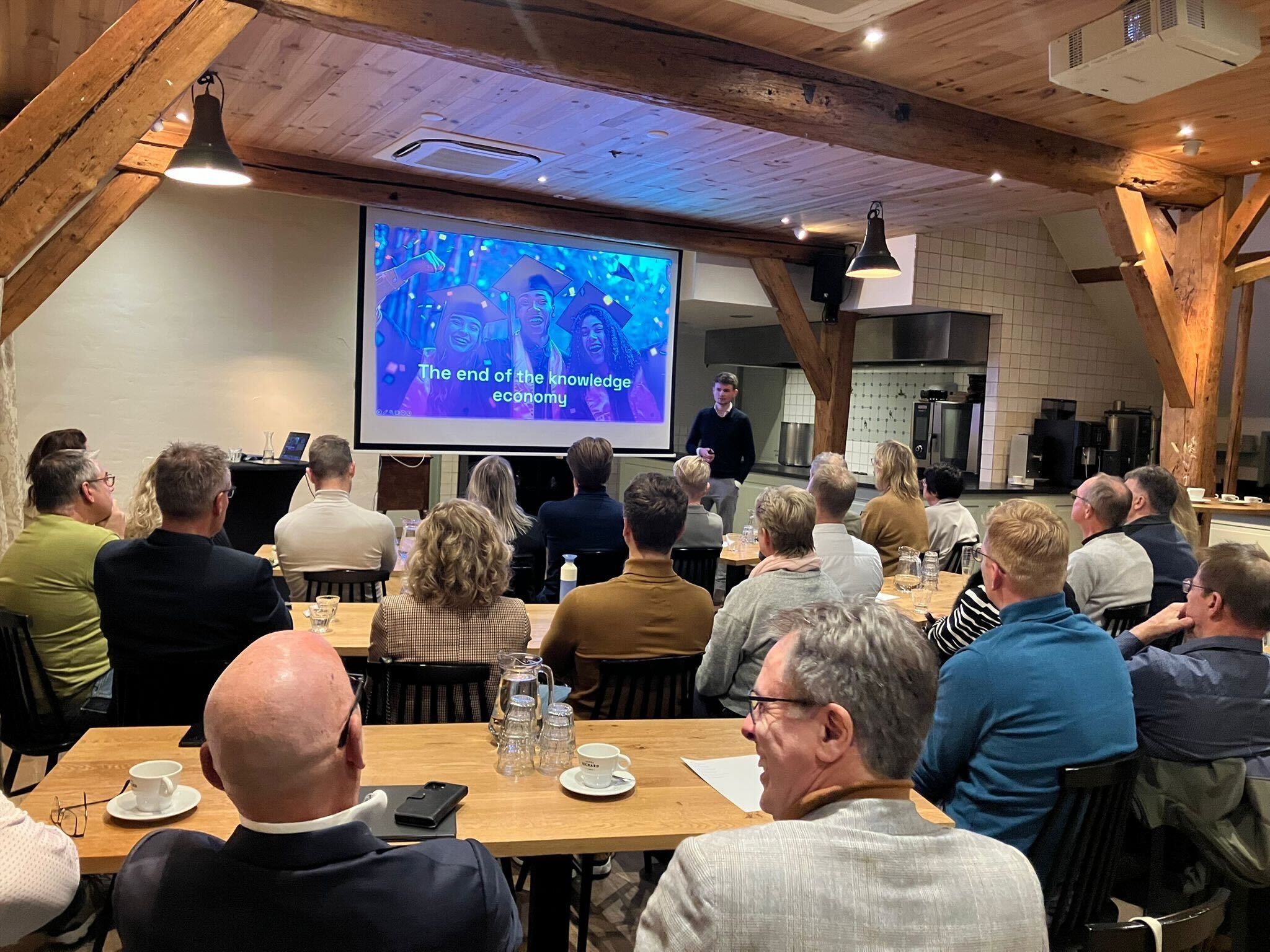 network event · keynote
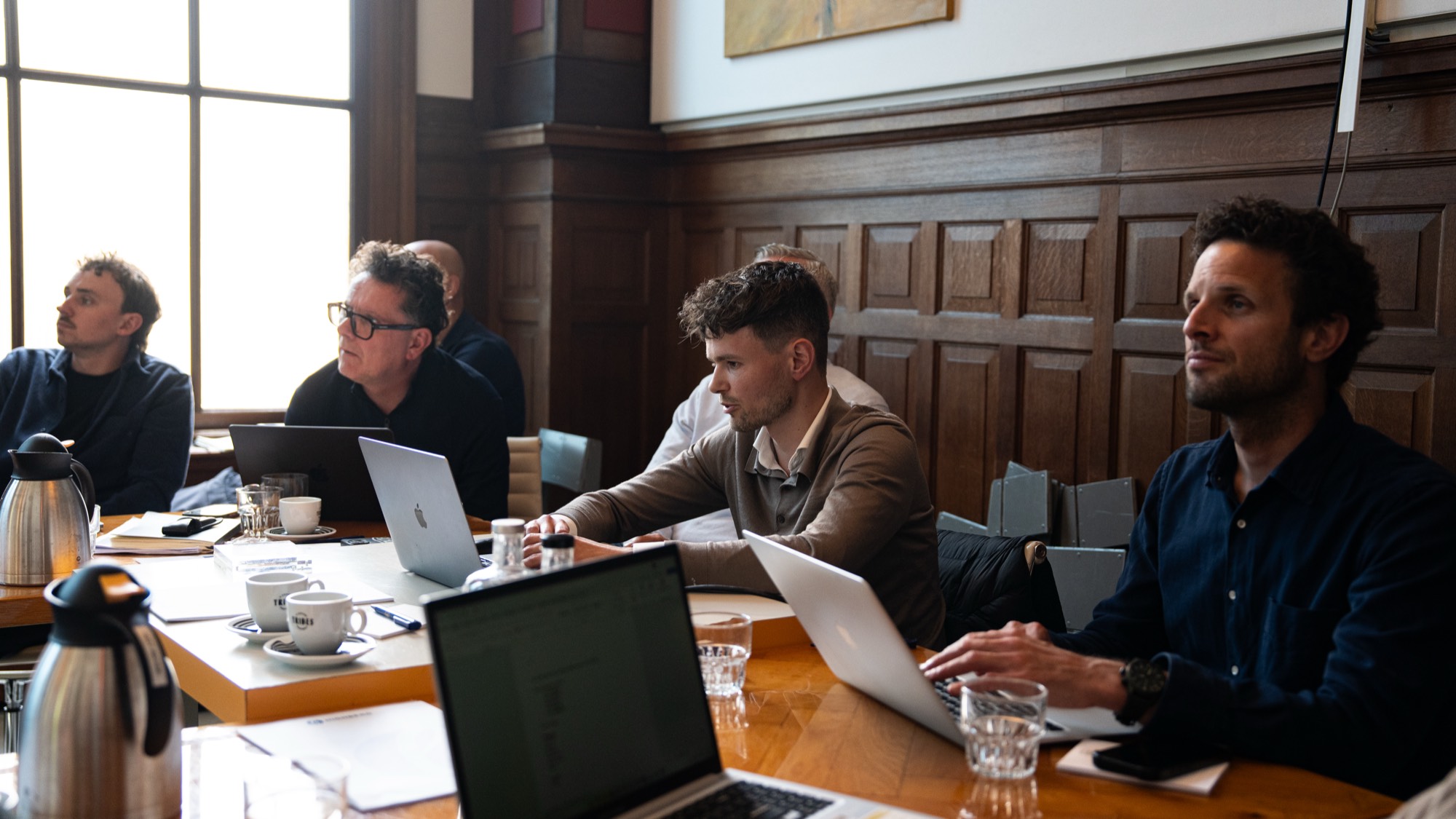 sport ai foundation · workshop
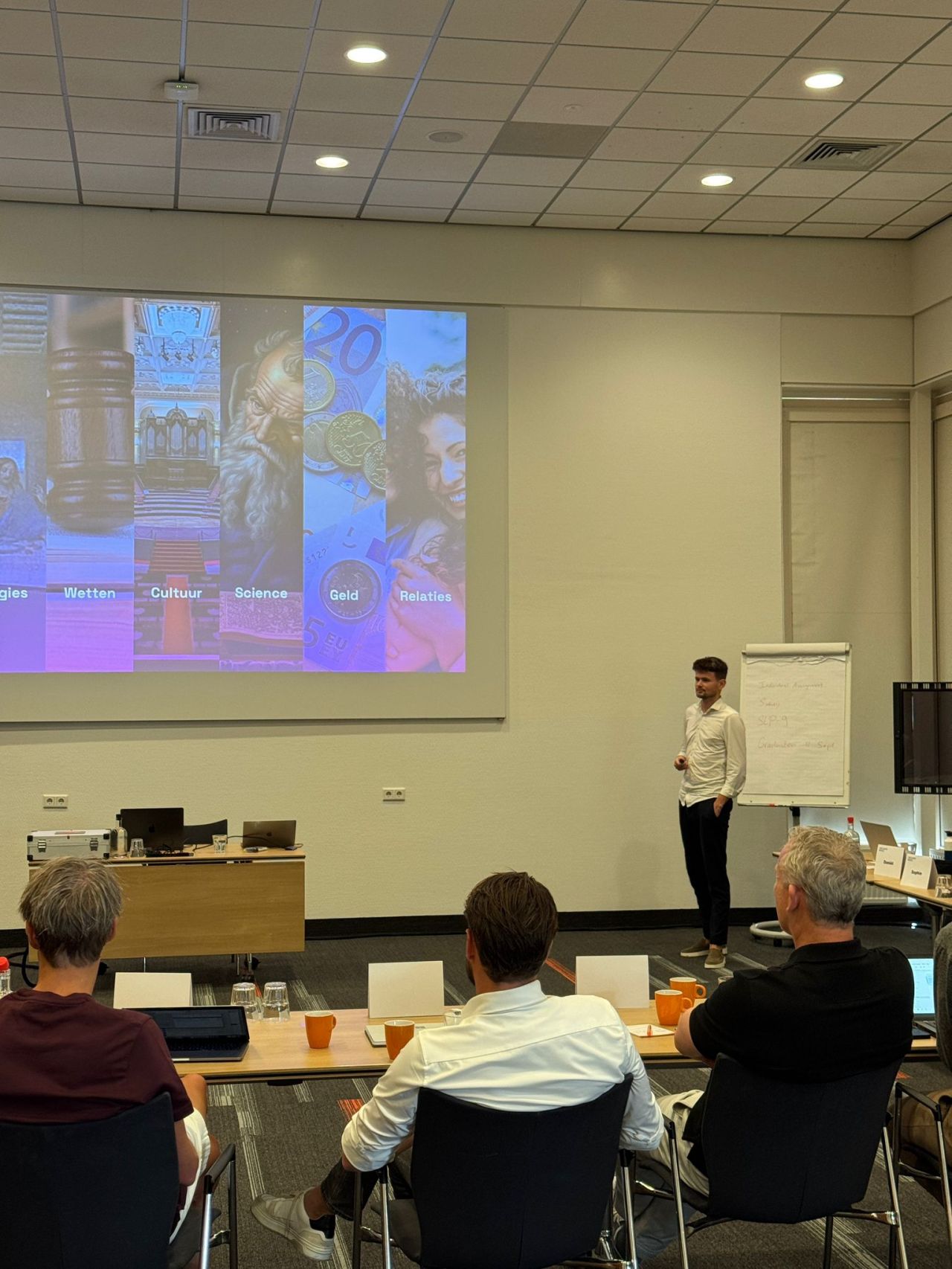 sport leadership institute
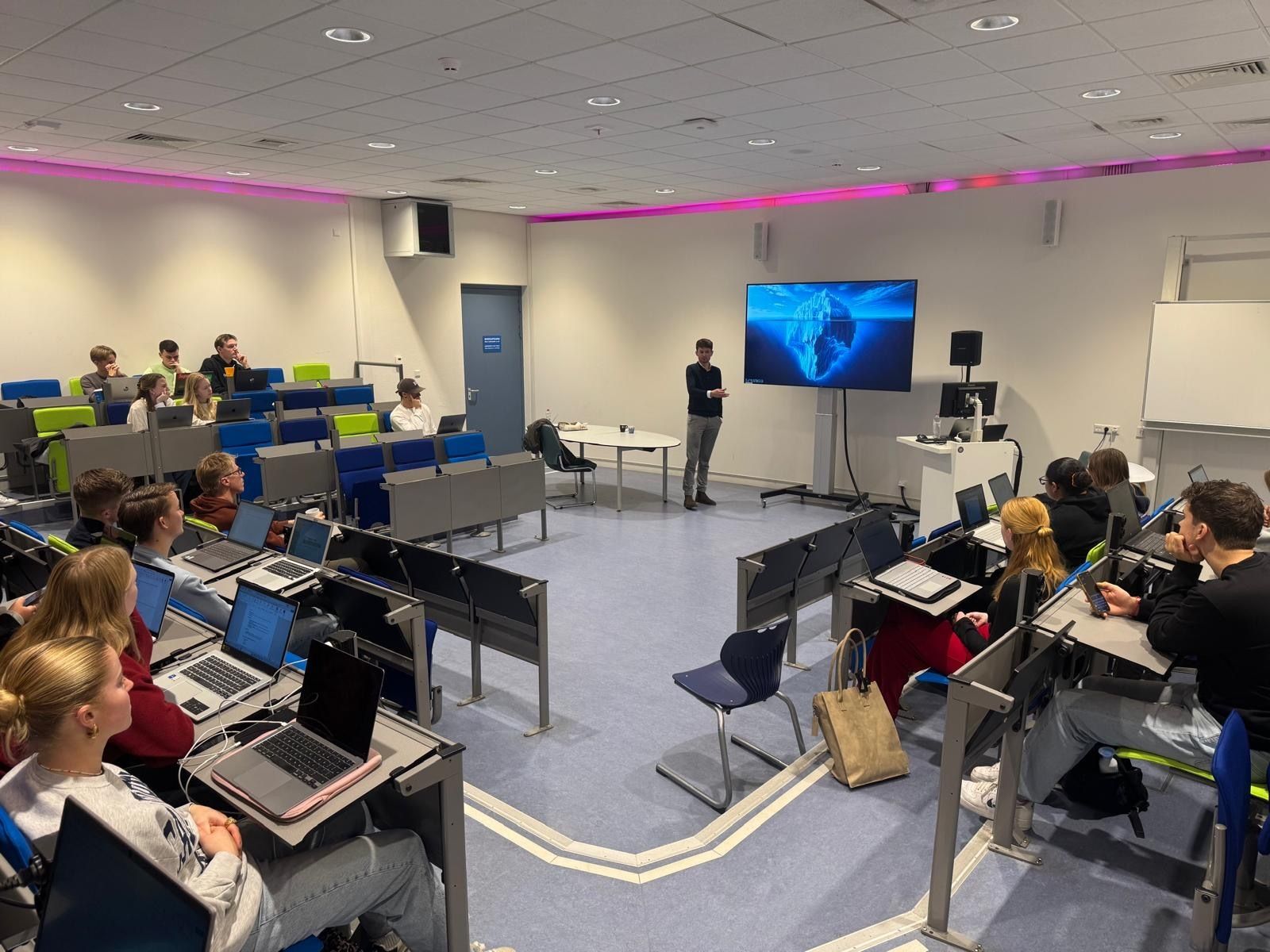 hogeschool amsterdam · keynote
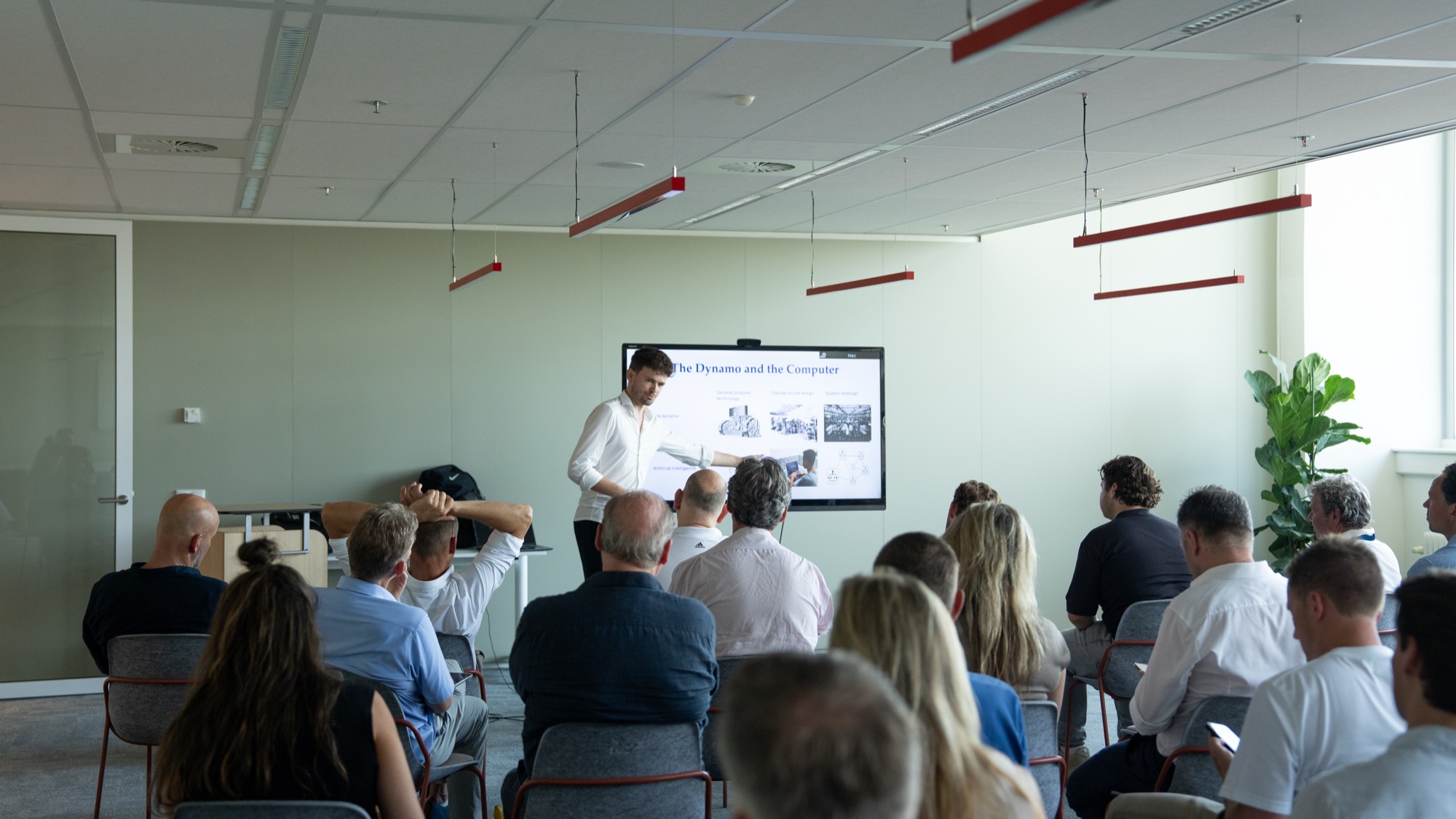 ai in sport · keynote
Thanks for the guest lecture, you inspired me, and I think many others with me, enormously!Luuk Rakhorst · student, Hogeschool van Amsterdam
Wesley is well informed about how AI is developing, what that means for organizations, and how to deal with it. He translates the trends perfectly into what they mean for the workplace, at the operational, tactical, and strategic level, and into how to create real value from it, both organizationally and personally.Hans Westerbeek · professor, Victoria University
My job on stage is to help your people redefine their value, in a world where intelligence becomes almost free.the close of "waves of change, waves of abundance"
Tell me about your audience and what you want them to leave with. I read every inquiry myself and reply within two business days, with availability and a proposal built around your program.